
Can Seniors Keep Up with Their Hobbies in an Independent Living Community?
When you start thinking about moving into an independent living community, the same question comes up over and over: Will life still feel like mine? It’s not just about where you’ll sleep or who cooks the meals. It’s about whether you can still spend time with the things that make you who you are. Maybe it’s painting. Maybe it’s gardening. Maybe it’s a good book or a friendly card game.
It’s natural to worry that a move could mean giving those things up. The truth, though, is that independent living communities are built with those exact questions in mind. They’re designed not just to give you support with daily chores but also to keep the activities you love woven into your routine.
So let’s break it down. From arts and fitness to gardening and social clubs, here’s how communities make sure hobbies don’t fade; they grow.
Why Hobbies Matter in Later Life
Hobbies serve a more complex purpose than simply killing time. They exercise the mind and body. Just having something familiar to do creates a framework for the day, and it offers something to rely on. Think about how nice it is to sit down at the piano, or how exciting it is to flip through the pages of a new book. The familiar activity does not merely feel nice; like an anchor, it establishes and reinforces who you are, while the world continues to change around you.
There is also the practical side to this. Research suggests that hobbies can also aid in stress relief, help regulate moods, and enhance overall physical well-being. Without hobbies, it is easy to feel as if you are living the same day over and over again. With hobbies, there is at least some meaning and purpose to the days of your life.
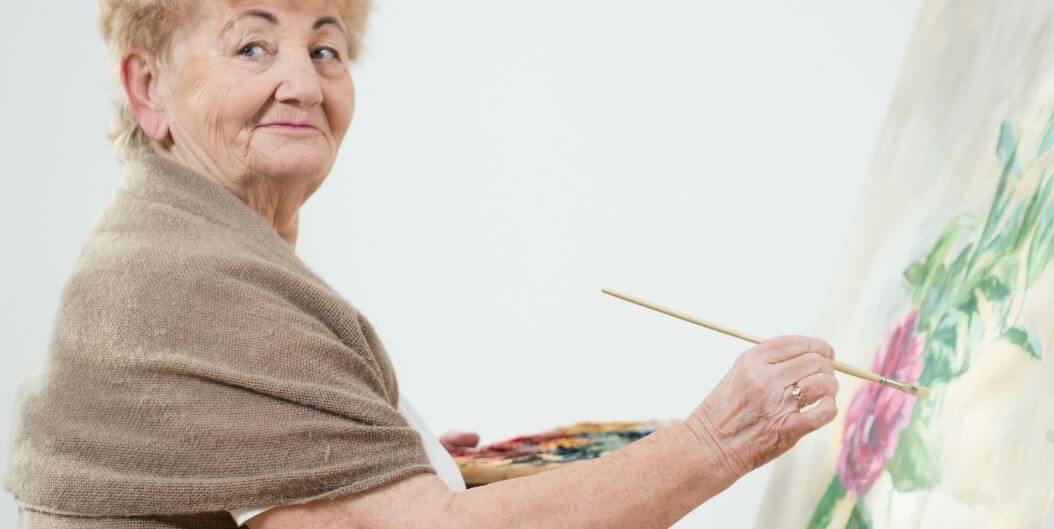
Take the case of a resident who has always painted watercolors. Moving to a community does not mean that this resident will now stop. Instead, it means unpacking all the watercolors into a studio, surrounded by others who enjoy creating too. For this reason, it helps to ease the adjustment process.
Creative Outlets for Artistic Passions
Art never goes out of date. Most communities set aside places for it quite often. If you’re looking for a place to create, you will find craft studios with supplies, music rooms with pianos, and many locations have walls dedicated to resident art.
In many communities, art workshops are included, such as painting, knitting, or pottery classes. In some communities, local artists or music instructors lead events strictly for the purpose of engaging with the community. For residents who like to perform, some communities hold regular choir groups or music nights.
The most important thing to take away from this is choice. You don’t have to attend. But if you feel like going, it’s right in front of you. You may choose to attend a knitting circle one week and take the next one off. That is the good part, it keeps the hobby valued, not as an obligation.
Fitness and Active Hobbies
Not all hobbies require you to remain seated. Independent living communities work hard to ensure residents are physically active, and many offer programs that offer both low-impact exercise and more vigorous exercise.
Most of the time, each community has fitness spaces with available equipment that is appropriate for older adults, but it doesn’t stop there. Often, communities will also offer tai chi or yoga classes in the morning, which encourage balance and flexibility. Some communities will even have the opportunity to join walking groups for socialization and exercise. Also, for those residents who want to participate in exercise but have difficulty doing standard exercises, you can usually find chair aerobics.
Staying active does not necessarily mean you have to sign up for a formal exercise program. It will feel less like “getting a workout in” and more like spending time better when it is incorporated into life.
Gardening and Outdoor Interests
There’s something grounding about putting your hands in soil or watching a plant grow. That’s why gardening is one of the most supported hobbies in independent living.
Many communities include resident garden plots or shared flowerbeds. Some even organize seasonal vegetable gardens where residents plant, tend, and harvest together. For those who prefer to enjoy greenery without the work, landscaped walking areas and bird-watching clubs offer an outdoor connection, too.
The benefit here is choice. You might water a few flowers, or you might spend an hour tending tomatoes. The setup makes both possible. There have been cases where residents work together on a shared vegetable patch, trading tips and enjoying fresh produce at harvest. It’s physical activity, social engagement, and emotional satisfaction rolled into one.
Social Hobbies and Group Activities
Some hobbies shine brightest in groups. A game of cards is as much about the conversation as it is about the cards! This is also true for book clubs, cooking classes, or game nights.
Communities recognize this about social hobbies. They create activity calendars that include both formal group activities and casual meetups. These activities give residents an opportunity to engage in a hobby with others and build relationships.
It’s particularly helpful for reducing the feeling of isolation. Each week’s book club, or, for example, cooking demo in the community kitchen, gives everyone something concrete to look forward to. For new residents, a group activity is often the quickest way to connect with the community.
New Opportunities: Expanding Hobbies in Community Life
Independent living not only sustains hobbies, but it also has the capacity to broaden them. Most residents find that they finally have the time to explore hobbies they have always been interested in, but never pursued.
Most communities provide classes, workshops, or even volunteer activities for residents to continue their interests. A retired teacher, for example, may want to offer some time in tutoring. Someone who has never cooked a dish in their life may now participate in a baking club.
It is also worth noting that living in a community does not limit opportunities for interests. It often expands them. Residents can pursue hobbies without having to deal with anxiety, set-up costs, or other commitments, such as finding a group, as the structure is already in place.
What to Ask on a Tour
If you’re considering a move, hobbies should be part of the conversation. Here are questions worth asking:
- What hobby groups or clubs are currently active?
- Are there dedicated spaces for art, music, or gardening?
- Can residents request new programs?
- How does the community adapt hobbies for residents with mobility or health changes?
It’s not just about the answers. Pay attention to the atmosphere. Do residents look engaged? Are activity calendars full but flexible? That tells you as much as any brochure.
Want to Keep Your Hobbies Alive and Truly Enjoy Your Golden Years? Explore Asher Point Independent Living of Waco Today
At Asher Point Independent Living of Waco, hobbies are not considered an extra, but rather an essential part of daily wellness. The community includes an arts and crafts space, fitness programs that are tailored to the residents, and outdoor gardens, which residents take an active role in maintaining.
The philosophy really is that hobbies are the center of health, happiness, and wellness. If hobbies are active, residents are not only living in the community, they are thriving in the community!
So if you’re considering a move, schedule a tour today. Take the time to look closely at how hobbies are supported here. Walk through the art rooms, visit the gardens, and ask about anything that piques your interest.


